Fearless and Unstoppable
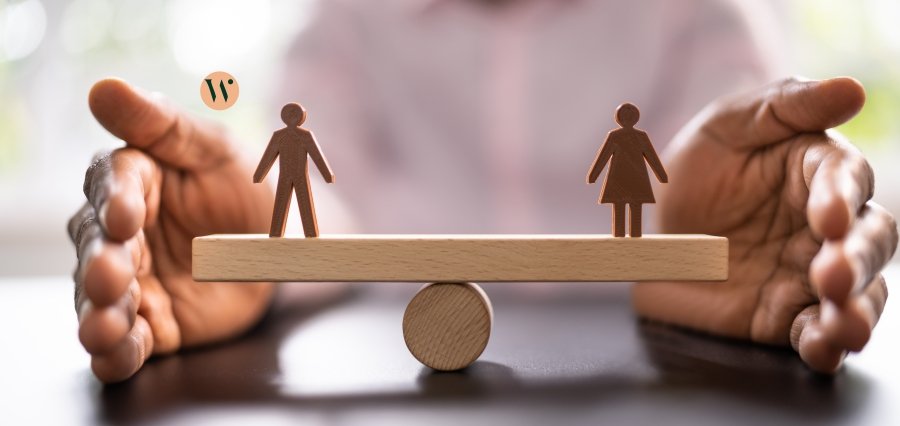
It is not only a legislative objective but an indispensable requirement of equity and social development. Legal systems around the world are undergoing a rapid transformation to recognise women’s rights and those of all genders. What we need now is action, changes in mentality, and commitment on the part of groups, professionals, and the community at large to put real equality into practice. With greater responsibility, striving for gender equality in law means building a just society.
How Legal Systems Have Changed Regarding Gender Equality?
Equality of gender in law has been a long journey. Most initial legal systems always favoured men in giving them rights and limiting women’s roles in public, work, and politics. It is with time, activism, constitutional changes, and deals such as CEDAW that have pushed countries to revise unfair laws.
Most countries have attained equal pay laws, inheritance rights, options relating to women’s health, and safety from violence. Yet problems persist, and that shows that the modification of the laws is but an initial step forward. Even in those cases when the laws happen to be good, their implementation is difficult. Prejudice and reluctance to change stand in the way of bringing about equal justice for women. More attention should be paid to the causes and mechanisms of closing the gap between what we promise and what we actually do.
What is the Key to Changing Laws?
Reasons form the very foundation of lasting gender equality in law. It is then that lawyers, legislators, and advocates have a clear objective-guided by fairness for all, drafting the rules becomes an obligation.
Considering motives also makes lawmakers contemplate the real conditions of the persons the law is supposed to protect. It makes the legal bodies see whether systems are accessible to everybody, if women are protected from discrimination and violence, and whether they adapt to social changes.
These reasons help make laws that are inclusive of all in writing and in action. It allows the voices of women, mostly from less well-represented groups, to mould the rules that shall protect them.
How Ideas are Turning into Action?
The reasons set the direction, but it’s the methods that will decide whether we succeed. In fact, reaching gender equality before the law takes measures on every level of the justice system, be it in improvements to the legal framework, increased enforcement, training judges and police, or ensuring access to legal aid for women.
They also involve creating safe avenues for survivors to report such incidents, lobbying for non-biased court action for both genders, and ensuring the courts protect the rights of all with no prejudice. When the methods meet up with the reasons legal groups push to effect change, not merely apply the rules.
The local groups are important in that the support they give, along with the plans for raising awareness and building skills, enables legal knowledge to be absorbed into the communities, which in turn helps people learn about and advance their rights. Such grassroots operations ensure that gender equality under the law extends into daily life.
Legal Education and Representation: The Role Thereof
Different voices from all genders are needed in the legal system. The more women who are in law-whether judges, lawyers, policymakers, or the more they add into the process of justice. Women bring in different views from their lives and make the legal world more understanding.
Legal education would also foster gender equality within the profession by infusing legal curricula with gender studies, presentations of topics related to discrimination and justice, and the training of lawyers to challenge inequitable systems. This builds a new generation of legal thinkers consciously aware of the issues surrounding gender through mentorship programs, research, and leadership opportunities for female students.
Changing Culture and Social Responsibility
Even good laws fail when gender biases abound in a society. The road to equality before the law will involve a cultural change: If justice is to be the right of all, then it will have to be lived by families, workplaces, and society. It calls for challenging stereotypes, sharing household responsibilities equitably, and opening decision-making positions to women. It is the media, businesses, and society that shape our perception. They break cultural barriers to legal progress by showcasing success stories, supporting equal rights, and making shared leadership the norm.
Where reasons and methods meet, building an equal future is about leaders supporting fairness, groups backing up justice, and communities respectful to all for the future of gender equality in law. While progress is being made, continued effort, understanding, and working together remain crucial in creating a culture of application of the laws but not just making them-that is where societies can guarantee that equality becomes part of life. When revision of laws is based on informed reasons and supported by mechanisms, gender equality in law assists future generations.
Final Thoughts
Improvement in gender equality in law calls for deep reflection and collaboration. It is a vision anchored in justice, founded on reasons, and acted out in practice. In the development of legal systems, it is here that the ultimate goal of a world where everyone has equal rights, opportunities, and protection regardless of their gender remains vividly apparent. It is only through thoughtful reform and mutual consideration that the law will be able to embrace the ideal of equality and thus bring about another kind of future.