Prime Highlights
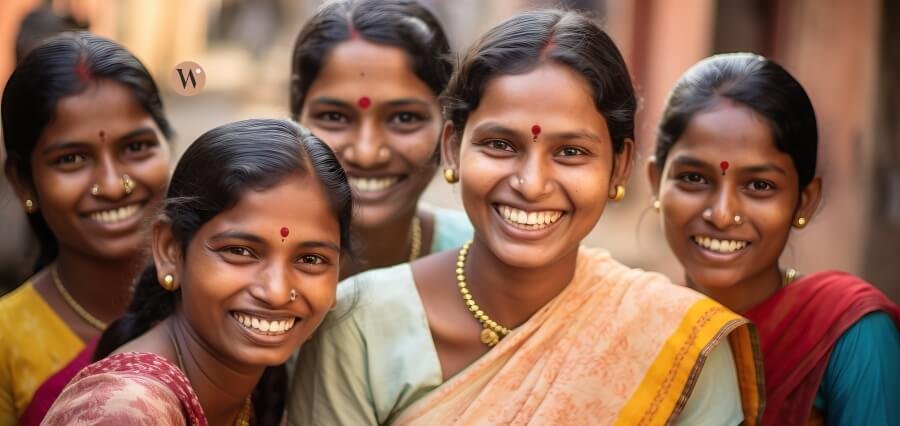
- VB G RAM G has generated over 11.4 crore person-days, with women accounting for 61.5%.
- A parliamentary panel has recommended raising the minimum wage under the scheme to Rs 400 per day.
Key Facts
- VB G RAM G replaced MGNREGA as the rural employment scheme.
- The national average wage rose to Rs 327.4 per day from Rs 298.8 under MGNREGA.
Background
The Viksit Bharat-Guarantee for Rozgar and Aajeevika Mission (Gramin) Act, or VB G RAM G Act, has generated more than 11.4 crore person-days since its rollout, according to government data. Women accounted for 61.5% of the total work generated under the rural employment scheme.
The scheme replaced the Mahatma Gandhi National Rural Employment Guarantee Act (MGNREGA). The high share of women in the new programme points to strong participation by rural women in employment opportunities.
Women had also made up more than half of the workforce under MGNREGA in recent years. Their share reached a record 58.9% in 2023-24. It stood at 57.25% in 2025-26.
Civil society groups have linked the growing share of women to the higher wages available to men in open markets and certain farm jobs. Men may prefer these jobs when they pay more than government scheme wages.
The government introduced revised wage rates when VB G RAM G took effect in July. It set an interim base wage of Rs 300 per day. The national average wage increased to Rs 327.4 per day from Rs 298.8 under MGNREGA, an average rise of Rs 28.6.
However, concerns over wage levels remain. A parliamentary standing committee on rural development and panchayati raj has called for a review of the wage calculation system. It questioned the use of the 2011 base year and the Consumer Price Index for Agricultural Labourers.
The panel recommended a minimum wage floor of Rs 400 per day, with regional differences and better adjustment for inflation. It also asked the rural development department to submit an action taken report within three months.